
Creating a Patient-Centered Environment: From Waiting Rooms to Treatment Areas


Designing a patient-centered healthcare environment requires intentional planning that prioritizes the needs of patients, families, and care teams. The goal is to create spaces that are easy to navigate, reduce stress, and support efficient care delivery. This begins with understanding how patients move through a facility and how each space contributes to their overall experience. Layouts, materials, lighting, and acoustics should all be considered early in the planning process to ensure the environment supports both comfort and clinical function.
The waiting room is often the first point of interaction and plays a significant role in shaping patient perception. These spaces should feel welcoming and organized, with clear wayfinding, comfortable seating, and layouts that accommodate a variety of mobility and accessibility needs. Reducing visual clutter, incorporating calming colors, and managing noise levels can help lower anxiety before appointments begin. A well-designed waiting area also supports front-desk efficiency by allowing staff to manage patient flow smoothly and discreetly.

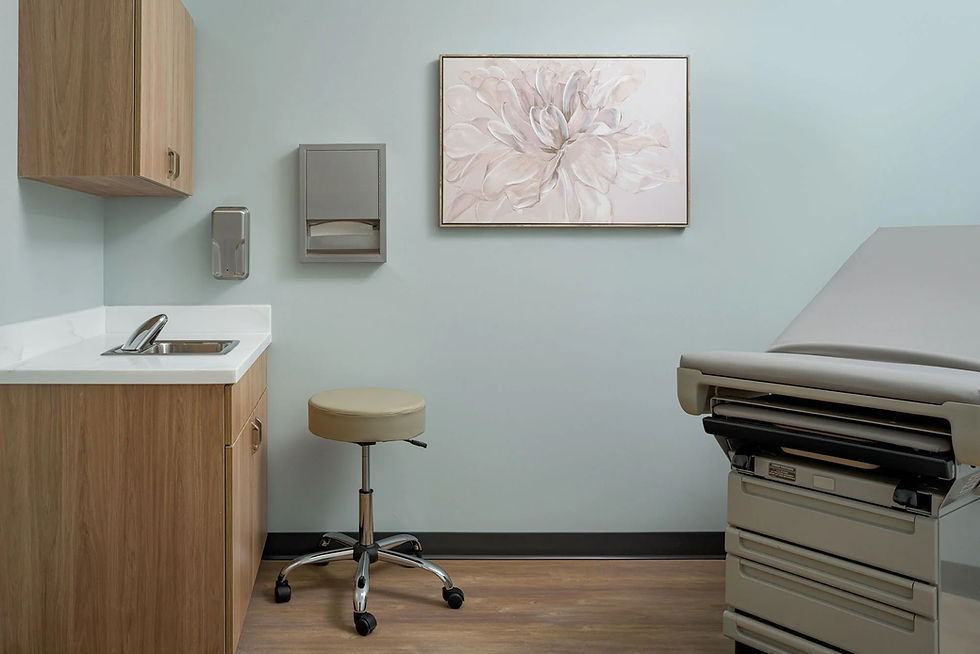
Treatment areas require a balance between patient comfort and operational efficiency. Rooms should be designed to support clear communication, privacy, and a sense of control for patients while allowing providers to work safely and effectively. Durable materials, ergonomic layouts, and thoughtful equipment placement can reduce physical strain on staff and minimize disruptions during care. Consistency in design throughout treatment spaces also helps patients feel more at ease as they move through different stages of their visit.
At the end of the process, successful patient-centered design comes from aligning real estate strategy, architectural planning, and interior design around a shared goal: supporting better care experiences. HFS brings years of experience in healthcare facility planning and design, helping practices apply these principles effectively while addressing the practical demands of modern healthcare environments.


Comments